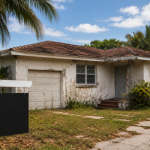
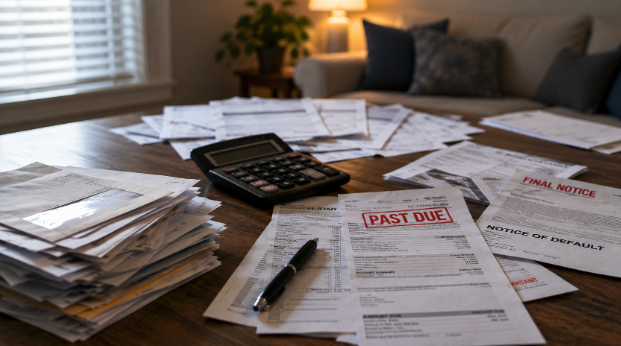
The weight of a mortgage you can no longer carry doesn’t arrive all at once. It builds slowly, through missed notices, optimistic assumptions, and decisions that felt reasonable at the time but quietly closed off better options.
Direct Answer
The most common mortgage relief mistakes Florida homeowners make include waiting too long to act, misunderstanding what foreclosure timelines actually allow, treating forbearance as a permanent fix, and overlooking the cash sale option entirely. Each mistake compounds the next. Homeowners who recognize the pattern early keep more options open and more equity in their pockets.
Key Takeaways
- Forbearance pauses payments but doesn’t erase them. The balance grows while you wait.
- Florida’s foreclosure process is judicial, meaning it moves through the courts, but that doesn’t mean you have unlimited time.
- Selling your house for cash before foreclosure is recorded can protect your credit and put money in your hands, not the bank’s.
- “Selling as-is” doesn’t mean accepting a low offer. It means skipping repairs, staging, and the traditional listing process entirely.
- Companies that buy houses for cash in Florida, like Sell To Bobby, can close in as little as 7 days, which changes the math on what’s still possible.
Why Do So Many Homeowners Wait Until It’s Too Late?
The answer isn’t laziness or ignorance. It’s something more specific: the early stages of financial distress feel reversible.
A missed payment feels like a temporary gap. A forbearance agreement feels like a solution. A letter from the servicer feels like a warning, not a countdown. Each of these perceptions is partially correct, which is exactly what makes them dangerous.
The real trap is that mortgage relief options don’t expire all at once. They erode gradually, and you don’t notice until the best ones are already gone.
By the time most homeowners in Florida start seriously researching their options, they’ve already lost access to the cleanest exits. A short sale that would have been straightforward six months ago now requires lender approval on a tighter timeline. A cash sale that would have generated equity is now competing with a lis pendens filing on the title.
The mechanism here matters: lenders don’t penalize waiting because they’re punishing you. They penalize it because every additional month of non-payment changes the legal and financial structure of what they’re owed. The longer you wait, the more parties have a claim on your property.
What’s the Actual Difference Between Forbearance and Mortgage Relief?
Forbearance and mortgage relief are not the same thing, and treating them as interchangeable is one of the most expensive mistakes a Florida homeowner can make.
Forbearance is a temporary pause or reduction in payments, agreed to by your servicer. It doesn’t forgive anything. When the forbearance period ends, the deferred balance remains owed, either in a lump sum or through a repayment plan added to your existing payments. For homeowners already stretched thin, that deferred balance becomes a second crisis stacked on top of the first.
Mortgage relief is a broader category. It includes loan modifications (permanent changes to your loan terms), refinancing, short sales, deed-in-lieu arrangements, and outright sale of the property. Each of these actually resolves the debt rather than postponing it.
Consider a common scenario: a homeowner in South Florida enters a six-month forbearance after a job loss. They assume the payments are simply waived. When the forbearance ends, they receive a notice that $9,000 in deferred payments is due within 30 days, or that it must be rolled into a repayment plan that raises their monthly payment by $400. They can’t afford either. Now they’re in a worse position than before, with fewer months before the servicer initiates foreclosure proceedings.
That scenario plays out constantly because servicers are legally required to offer forbearance, but aren’t required to explain what happens at the end of it with the same clarity.
Does Selling Your House Actually Solve a Mortgage Problem?
Yes, and this is where most homeowners have a blind spot.
Selling your house before foreclosure is finalized doesn’t just stop the legal process. It can actually recover equity, protect your credit, and give you control over the closing timeline. None of those outcomes are available after a foreclosure judgment is entered.
The category reframe that changes everything: a cash home sale isn’t a last resort. It’s a financial decision that happens to involve your house.
When you sell to a cash buyer like Sell To Bobby, you’re not surrendering. You’re converting an illiquid asset into cash before it loses value through the foreclosure process. The house gets sold, the mortgage gets paid off from the proceeds, and if there’s equity above what’s owed, you keep it. If you’re upside down, a short sale negotiated with a cash buyer can still resolve the debt without the credit damage of a completed foreclosure.
If you’re at the point where you’re asking whether selling makes sense, the answer is almost always: yes, and sooner rather than later.
If you’re ready to understand what your home is worth in its current condition, Sell To Bobby provides free cash offers within 24 hours, with no obligation.
The Mistake Nobody Talks About: Overestimating What Repairs Will Return
Florida homeowners facing financial distress often convince themselves that spending money on repairs will unlock a higher sale price that justifies the cost and the wait.
This logic breaks down in two places.
First, the repair-to-return ratio on distressed properties is rarely what homeowners expect. A roof replacement that costs $18,000 might add $12,000 to an offer from a traditional buyer, not $18,000. You’re spending money to recover less than you spent.
Second, the time required to complete repairs, list the property, find a buyer, and close through a traditional process can run three to six months in a normal market. In a distressed situation, that’s three to six months of additional carrying costs, mortgage payments (or missed payments compounding on your credit), property taxes, and insurance.
Selling as-is to a cash buyer skips all of it. No repairs. No staging. No open houses. No waiting for a buyer to get financing approved. The condition of the house is already reflected in the offer, and you can close on a date you choose.
The Mortgage Relief Decision Matrix: A Framework for What to Do Next
The Mortgage Relief Decision Matrix is a simple framework for matching your current situation to the right action, based on two variables: how much time you have before foreclosure proceedings begin, and whether you have equity in the property.
Use it this way:
| Situation | Time Available | Equity Present | Best Path |
| Early distress, payments current | 6+ months | Yes | Loan modification or cash sale with full equity recovery |
| Forbearance ending, no repayment plan | 2-4 months | Yes | Cash sale before lis pendens filing |
| Foreclosure filed, pre-judgment | 1-3 months | Marginal | Cash sale or short sale negotiation |
| Upside-down mortgage, no equity | Any | No | Short sale through a cash buyer, deed-in-lieu |
| Post-judgment, pre-sale | Weeks | Depends | Consult a foreclosure attorney immediately |
Use this matrix when deciding whether to list on the market or pursue a cash sale. Don’t use it as a substitute for legal advice if a foreclosure judgment has already been entered.
The single most important variable is time. Equity matters, but time determines which options still exist.
What About Inherited Properties and Vacant Homes?
Inherited properties and vacant homes carry a specific version of this problem that most mortgage relief guides ignore.
When you inherit a property in Florida, you may also inherit an existing mortgage. If that mortgage is in default, the foreclosure clock doesn’t pause because ownership changed. Probate takes time. Servicers don’t always wait.
Vacant properties compound the problem differently. A home sitting empty in Florida’s climate deteriorates faster than most owners expect. Insurance costs rise. Code enforcement notices accumulate. Squatters and vandalism become real risks. Every month the property sits vacant, the gap between what you could sell it for and what you owe narrows.
Sell To Bobby buys inherited properties and vacant homes in any condition, handling the paperwork complexity that comes with both. The process doesn’t require the property to be cleaned out, repaired, or even fully cleared of the prior owner’s belongings.
Who Is a Cash Sale NOT Right For?
Straight answer: if you have significant equity, no financial pressure, and six months or more to sell, a traditional listing with a real estate agent will likely get you a higher gross sale price.
A cash offer is priced to reflect the buyer’s cost of repairs, carrying costs, and risk. That’s not a flaw in the model. It’s the mechanism that makes a fast, no-condition, no-financing-contingency sale possible. You’re trading some potential upside for certainty, speed, and zero out-of-pocket costs.
If your timeline is flexible and your property is in excellent condition, the traditional route makes financial sense. But if you’re facing foreclosure, divorce, relocation, or an inherited property with an active mortgage, the “higher gross price” of a traditional sale is often theoretical. It assumes a clean title, a cooperative market, and time you may not have.
The question isn’t which sale gets you the highest number on paper. It’s the sale that actually closes before your situation gets worse.
When you’re ready to find out what a cash offer looks like for your specific property, Sell To Bobby covers all closing costs, sets no obligation, and can have an offer to you within 24 hours.
Frequently Asked Questions
How does Florida’s foreclosure process actually work, and how much time do I have?
Florida uses a judicial foreclosure process, meaning the lender must file a lawsuit and obtain a court judgment before it can sell your property. That process typically takes several months to over a year, depending on court backlogs and whether you respond to the complaint. You generally have more time than you think at the start, but that time disappears quickly once a judgment is entered.
Can I sell my house in Florida if I’m already behind on payments?
Yes. Being behind on payments doesn’t prevent you from selling. As long as the foreclosure judgment hasn’t been finalized and the property hasn’t been sold at auction, you can sell the home, pay off the mortgage from the proceeds, and in many cases, walk away with cash. The earlier you act, the more options you have.
What happens to my mortgage when I sell my house for cash?
The mortgage gets paid off at closing from the sale proceeds. The title company handles the payoff directly with your lender. You receive whatever is left after the mortgage balance, any liens, and closing costs are settled. If you owe more than the sale price, a short sale negotiation is required, but that’s a separate process that your buyer can often help facilitate.
Will selling my house hurt my credit less than foreclosure?
A completed foreclosure is one of the most damaging events that can appear on a credit report, typically remaining for 7 years and affecting your ability to obtain future financing. Selling before foreclosure is finalized, even in a short sale, generally produces significantly less credit damage because the debt is resolved rather than defaulted.
Do I have to clean out the house before selling to a cash buyer?
No. Sell To Bobby buys properties in any condition, including homes with belongings still inside, deferred maintenance, or structural issues. You don’t need to stage, clean, or repair anything before the sale.
What if I owe more than my house is worth?
This is called being upside-down or underwater on your mortgage. A cash buyer can sometimes still help by facilitating a short sale, where the lender agrees to accept less than the full balance owed. It’s not guaranteed, but it’s a real option that avoids the full credit damage of foreclosure and resolves the debt.
How do I know if a cash home buyer in Florida is legitimate?
Look for a BBB listing, verifiable reviews, and a clear process with no upfront fees. Legitimate cash buyers don’t charge you to make an offer, don’t pressure you to sign immediately, and explain the full process before you commit. Sell To Bobby is BBB-listed and has bought and sold hundreds of homes throughout Miami and Florida.
The hardest part of mortgage distress isn’t the financial math. It’s the way every delay feels like it’s buying time when it’s actually spending it. The homeowners who come out of these situations with the most options are the ones who stopped waiting for the problem to resolve itself and started asking what a real exit actually looks like.
Get your free cash offer from Sell To Bobby today. No repairs, no fees, no obligation, and a closing date you choose.
About the Author
Sell To Bobby is a cash home buying company serving homeowners throughout Miami and Florida. They specialize in purchasing properties in any condition, with no repairs required and no fees charged, closing in as little as 7 days. Sell To Bobby works with homeowners facing foreclosure, divorce, relocation, inheritance, and a wide range of distressed situations who need to sell quickly without the traditional listing process.